 Jetstream Dumpster Rental
Roll Off Dumpster Basics in Toledo
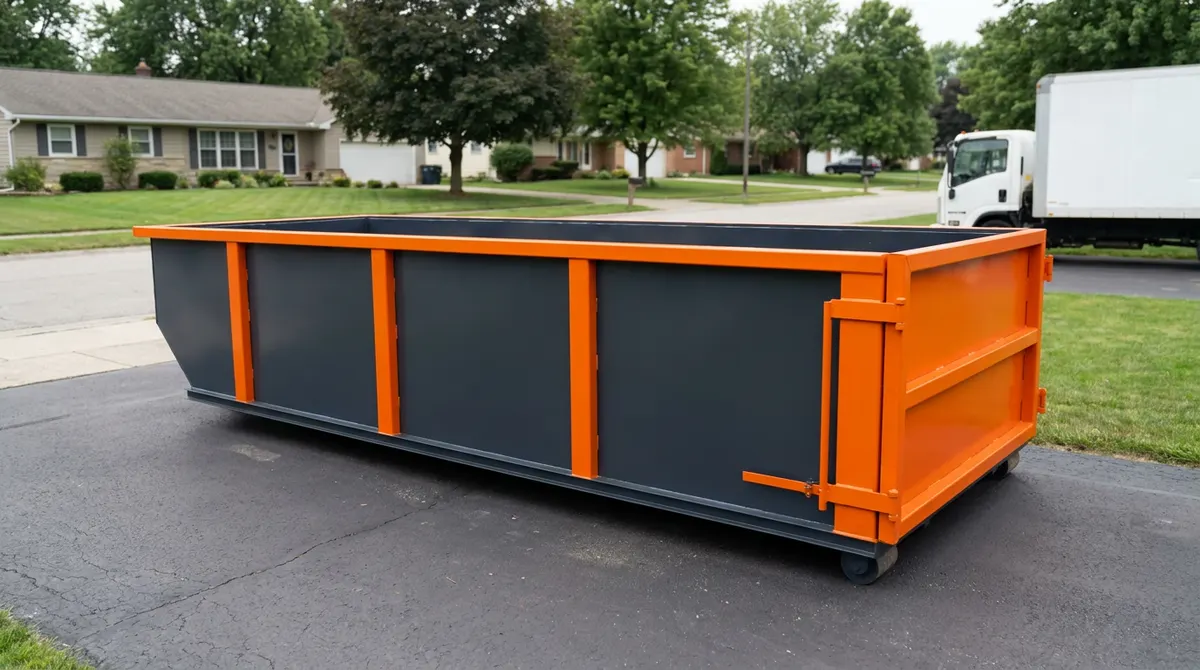
A roll-off dumpster is a large, open-top container designed for temporary waste disposal, commonly used in Toledo for construction, demolition, and large-scale cleanout projects, delivered and removed by a specialized roll-off truck.
Roll-Off vs Front-Load Dumpsters
<p>A roll-off dumpster is an open-top waste container that uses wheels to 'roll off' a specialized truck and onto a property for temporary debris collection. These containers are distinct from front-load dumpsters, which are typically smaller, have lids, and are emptied into the front of a garbage truck for regular commercial waste collection. Roll-off dumpsters are delivered to a site, filled by the customer, and then hauled away once full, making them suitable for projects generating significant volumes of waste. In Toledo, these are often seen at residential renovation sites in neighborhoods like Ottawa Hills or commercial developments near the Maumee River waterfront.</p><p>Front-load dumpsters are permanent fixtures at businesses or multi-unit residences, serviced on a fixed schedule. Their design allows for automated lifting and emptying by a front-load garbage truck, without the dumpster itself being removed from the property. This system is efficient for ongoing, moderate waste streams. Conversely, roll-off containers are a temporary solution for projects like home demolitions in the Old West End, large yard cleanups in Wildwood Preserve Metropark areas, or construction debris removal along Central Avenue.</p>
How the Roll-Off Truck Delivers and Hauls
<ol><li>The roll-off truck, equipped with a hook-and-cable system, positions itself at the desired drop-off location.</li><li>The driver extends the hydraulic arm with the cable attached to the dumpster's front.</li><li>The dumpster is slowly lowered from the truck bed, rolling off on its rear wheels until it settles firmly on the ground.</li><li>After the container is filled with debris, the customer schedules a pickup.</li><li>The truck returns, reattaches the cable to the dumpster, and uses the hydraulic system to pull the dumpster back onto the truck bed.</li><li>The full dumpster is then secured for transport to a licensed disposal facility.</li></ol><p>This delivery method requires sufficient clearance for the truck and the dumpster to maneuver, especially in areas with narrow streets or tight driveways common in older Toledo neighborhoods like Vistula or Birmingham. During Toledo's harsh lake-effect winters, frozen or muddy driveways may require plywood placement to protect surfaces during dumpster drop-off, preventing damage or sinking. The <a href="https://www.epa.gov/hw/learn-about-waste-management">Environmental Protection Agency (EPA) provides guidelines</a> on waste management practices for proper disposal.</p>
Common Roll-Off Sizes and Uses
<p>Roll-off dumpsters are available in various sizes, each suited for different project scales and debris types. Selecting the correct size is crucial for efficient waste management and cost-effectiveness in Toledo.</p><table><thead><tr><th>Dumpster Size</th><th>Approximate Capacity</th><th>Typical Uses in Toledo</th></tr></thead><tbody><tr><td><strong>10-Yard Dumpster</strong></td><td>~4 pickup truck loads</td><td>Small bathroom remodel, single-room cleanout, concrete removal from a small patio. Suitable for tight spaces in East Toledo.</td></tr><tr><td><strong>20-Yard Dumpster</strong></td><td>~8 pickup truck loads</td><td>Medium kitchen renovation, garage cleanout, roofing tear-off for a 2,000 sq ft house, basement cleanouts in South Toledo.</td></tr><tr><td><strong>30-Yard Dumpster</strong></td><td>~12 pickup truck loads</td><td>Major home additions, full house cleanouts, commercial construction debris near Fifth Third Field, tree removal from a large yard near Ottawa Park.</td></tr><tr><td><strong>40-Yard Dumpster</strong></td><td>~16 pickup truck loads</td><td>Large construction projects, commercial demolition, full home renovations in larger properties like those in Ottawa Hills, major storm cleanups after lake-region storms.</td></tr></tbody></table><p>Toledo's large stock of century-old homes in areas like the Old West End and Vistula often generates heavy plaster, brick, and lath debris during remodels. This type of material is dense and can fill dumpsters faster than typical drywall, sometimes requiring a specific heavy-debris dumpster or a smaller cubic yardage to stay within weight limits. Spring freeze-thaw cycles and heavy clay soils in the region also contribute to frequent foundation, basement, and driveway concrete work, which needs dedicated heavy-debris dumpsters. For information on local waste regulations, the <a href="https://www.toledo.oh.gov/services/public-service/trash-recycling/">City of Toledo's Division of Solid Waste</a> offers resources.</p>
When a Roll-Off Is the Right Choice
<p>A roll-off dumpster is the optimal choice for projects in Toledo that generate a substantial amount of waste that cannot be handled by regular trash collection. This includes most <a href="https://www.toledodumpster.com">Toledo dumpster rental</a> scenarios. Construction and demolition projects, such as tearing down a garage in West Toledo or renovating a property near the University of Toledo, are primary candidates. The volume and weight of materials like lumber, drywall, concrete, and roofing shingles necessitate a large, sturdy container. For instance, a residential roof tear-off often requires a 20-yard dumpster to accommodate the shingles and underlayment.</p><p>Large-scale cleanouts, including estate cleanouts in Beverly or extensive decluttering projects in Point Place, also benefit from roll-off dumpsters. These situations often involve furniture, appliances, and various household junk that exceeds the capacity of curbside pickup. Similarly, significant landscaping projects, such as clearing brush from a large lot or removing storm-damaged trees, generate organic debris that is efficiently managed with a roll-off container. The convenience of having a single collection point for all waste simplifies the cleanup process and ensures proper disposal. The <a href="https://earth911.com/">Earth911 website</a> provides resources for finding local recycling and disposal options for various materials. For heavy debris, such as concrete from a driveway replacement along Airport Highway, a 10-yard or 20-yard roll-off is often recommended to stay within weight limits. The minimum charge for a roll-off dumpster rental in Toledo is $595, which typically includes a specific tonnage limit before overage fees apply.</p>
Quick questions
What can I put in a roll-off dumpster in Toledo?
Roll-off dumpsters in Toledo typically accept construction debris (wood, drywall, concrete, roofing), household junk (furniture, appliances without refrigerants), and yard waste. Prohibited items generally include hazardous materials, chemicals, tires, batteries, and paint.
Do I need a permit for a dumpster in Toledo?
A permit may be required in Toledo if the dumpster needs to be placed on public property, such as a street or sidewalk. If the dumpster is entirely on private property, like a driveway, a permit is typically not needed. It is advisable to check with the City of Toledo for specific regulations in your area.
How long can I keep a roll-off dumpster?
The rental period for a roll-off dumpster in Toledo typically ranges from 7 to 14 days, though specific terms can vary by provider. Extended rental periods are often available for an additional daily fee. This flexibility allows for project completion at your own pace.
Need it handled now? See Dumpster Rental in Toledo.